

Total: $0.00
Taxes and shipping calculated at checkout


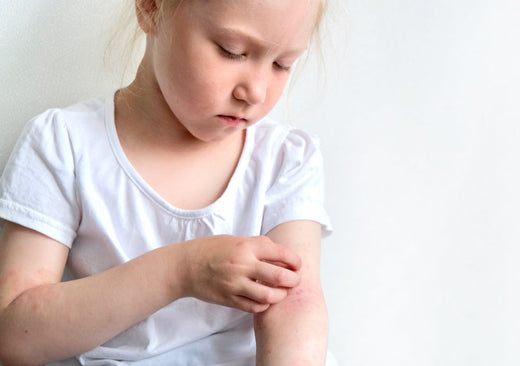
Can eczema actually be cured? The short answer: not yet. But that doesn’t mean you’re doomed to a lifetime of flare-ups. While there’s no permanent cure, there are ways to manage eczema so well that symptoms can improve to a great extent and it can even feel like it’s gone.
Eczema (atopic dermatitis) is a chronic condition that affects the skin’s barrier and immune system. Unlike an infection, which you can treat directly with antibiotics, eczema is tied to genetics, environmental triggers and even factors like stress. The "cause" of eczema seems to vary by individuals. For some people it's caused by environmental triggers + stress. For other people it's skincare products + diet. For other people, it's all four. We're all different. Sources 1, 2. Because of this, most treatments focus on managing symptoms rather than eliminating the condition.
However, research is evolving. According the National Eczema Association, scientists are exploring promising treatments, including prescription injectable biologic drugs that target the immune response that triggers eczema. The research is ongoing, and keep in mind that prescription drugs usually have side effects. Sources 1, 2.
While we wait for a cure, lifestyle and skincare changes can make a major difference in reducing your eczema symptoms. Here are some expert-backed tips:
Try to Identify Your Eczema Triggers – Because we're all unique, this can vary widely by person, but some common eczema triggers include: chemical additives (like fragrances or preservatives) in skincare products, harsh skincare products, stress, particular foods, clothing (such as socks that are too tight, restricting blood flow), and environmental factors such as dust or low humidity. Often triggers work in combination. Stress by itself may not trigger your eczema but stress + a drying soap could cause an eczema breakout.
Use Fragrance-Free Products – Fragrances are among the most common skin irritants. Fragrances are made up of hundreds of different chemicals so avoiding fragrances can reduce your eczema symptoms and also reduces your exposure to

harmful chemical additives. Use fragrance-free laundry detergent and soaps. Remember that when you wash dishes, you're also washing your hands, so avoid harsh detergent soaps (that's most dishwashing soaps).
Use the Right Skincare Products - Eczema is a SKIN condition so what you put on your skin matters. Use skincare products that are certified organic, fragrance-free, and free of chemical additives. This significantly reduces your exposure to chemicals that can trigger eczema symptoms.
Moisturize the Right Way – Use fragrance-free lotion, cream, or oil, or a lotion bar immediately after showering while your skin is still moderately wet. Applying while wet helps trap the moisture in your skin, keeping your skin hydrated. Even better: use a soap that doesn't dry you out in the first place. S.M.O.C. Skincare soaps are formulated to be the world's most moisturizing soaps, so they won't dry your skin, reducing your need for additional moisturizers.
Manage Your Stress – Stress can trigger eczema flare-ups, so relaxation techniques like yoga, deep breathing, or meditation can help keep symptoms in check.
Reduce Environmental Triggers – Dust, pollen, and low humidity can trigger eczema symptoms in some people. Keep your environment clean and dust free. If needed, use an air filter. If the air in your environment is dry, use a warm mist humidifier.
Will Eczema Ever Be Cured? It’s possible! Research is advancing, and new treatments are making eczema easier to manage. But until then, it's possible to reduce your eczema symptoms significantly. Be patient because it may take some time for you to identify your eczema triggers, and after you do, it may take several weeks for changes to be reflected in your skin, but significant improvement in your eczema symptoms is definitely possible.
By Sara Khowaja, S.M.O.C. Skincare
Check out this blog post to learn more about the causes of eczema.

 USD
USD EUR
EUR
 AUD
AUD
 GBP
GBP
 JPY
JPY
 INR
INR